

Your body does the work. We just create the conditions.
Limb lengthening is one of the most fascinating procedures in all of orthopaedic surgery, not because of what the surgeon does, but because of what the body does in response. Understanding the biology behind it is the first step to understanding why this treatment works so reliably, and why the process looks the way it does. Let me walk you through it.
The Principle: Teaching Bone to Grow
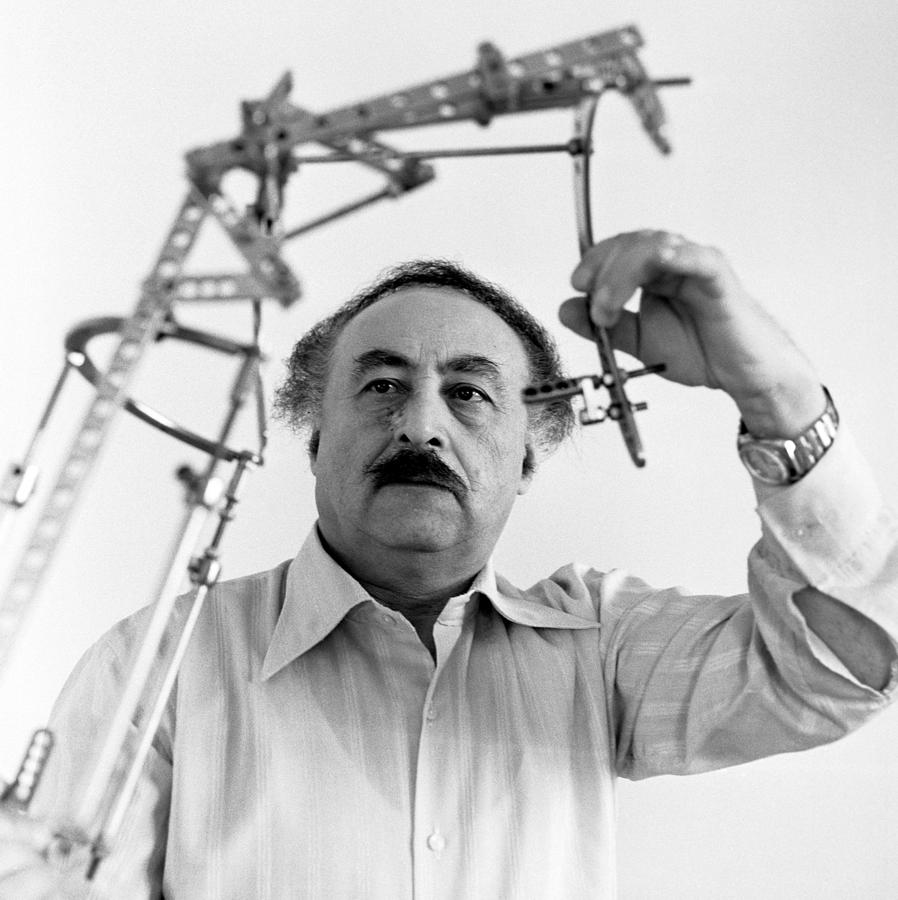
The foundation of modern limb lengthening is a biological principle called distraction osteogenesis. It was pioneered by the Russian orthopaedic surgeon Gavriil Ilizarov in the 1950s, and it changed the field permanently.
The principle is elegantly simple: if you carefully cut a bone and then slowly pull the two ends apart, the body interprets the gap as an injury and begins filling it in with new bone. Do this at exactly the right rate, typically around one millimetre per day and the regenerating bone keeps pace with the distraction. Too fast, and the gap outstrips the biology. Too slow, and the bone consolidates prematurely. One millimetre per day is the sweet spot that Ilizarov identified, and it remains the gold standard today.
What makes this even more remarkable is that it isn’t just the bone that regenerates. The surrounding soft tissues, skin, muscle, nerves, blood vessels – all gradually lengthen alongside the bone. The body adapts as a whole. This is not a procedure that forces the body into an unnatural state. It works with the biology, not against it.
The Two Phases: Distraction and Consolidation
Every limb lengthening treatment has two distinct phases, and understanding both is essential for setting realistic expectations.
The Distraction Phase is the active lengthening period. After surgery, patients begin adjusting their device – either externally or internally, depending on the implant used to gradually pull the bone apart at the prescribed rate. This typically continues for weeks to months, depending on how much length is required. One centimetre of lengthening takes approximately ten to fourteen days of distraction.
The Consolidation Phase follows once the target length has been achieved. The distraction stops, and the body is given time to mineralise and harden the new bone that has formed in the gap. This phase typically takes two to three times longer than the distraction phase. It is the period that requires the most patience, the length has been gained, but the bone is not yet strong enough to bear full weight independently.
Together, these two phases form the complete biological arc of the treatment.
The Surgical Tools: Choosing the Right Implant
Modern limb lengthening has moved far beyond the bulky external frames of the past. Today, patients have access to a range of sophisticated implants, and selecting the right one is a critical part of the preoperative planning process.
Motorised Intramedullary Lengthening Nails represent the most significant advance in limb lengthening technology in recent decades. These are internal devices inserted inside the bone like a standard orthopaedic nail that lengthen using a small internal motor driven by an external remote control. Patients adjust their nail at home, typically several times per day, without any external hardware. The benefits are substantial: no pin sites, no external frame, far less disruption to daily life, and considerably better patient comfort. These nails are my preferred option for appropriate candidates and represent the current standard of care at experienced lengthening centres.
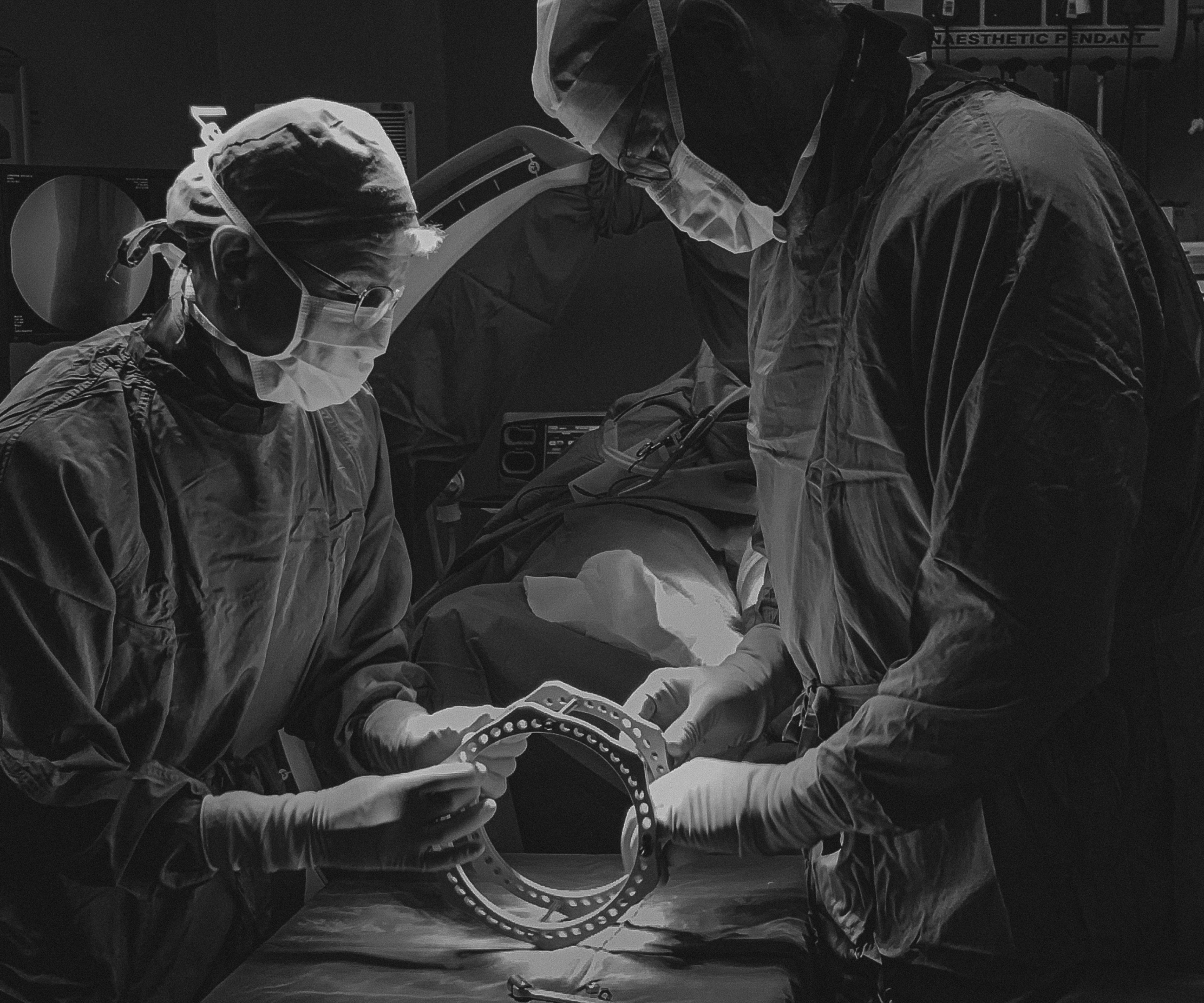
Computer Hexapod Circular Fixators remain an indispensable tool, particularly for cases involving simultaneous deformity correction alongside lengthening. These are external ring frames connected to the bone via fine wires and half-pins. What sets the modern hexapod apart from older external fixators is the computer-assisted planning software, which allows us to programme precise, multi-plane corrections with a level of accuracy that simply was not possible a generation ago. They require more adjustment on the patient’s part and carry the well-known challenges of external fixation, including pin site care, but for complex reconstructions, they remain unsurpassed in versatility.
Which approach is right, including the various hybrid options in between, depends on the patient’s anatomy, the degree of correction required, their lifestyle, and the goals of treatment. This is a decision that should never be made lightly, and it is one I spend considerable time on during the preoperative planning process.
Rehabilitation: The Other Half of the Treatment
Surgery and biology do the structural work, but rehabilitation determines the functional outcome. From the first days after surgery, physiotherapy plays a central role – maintaining joint range of motion, building muscle strength, and ensuring that the soft tissue envelope keeps pace with the lengthening bone.
Patients who engage seriously with their rehabilitation programme consistently achieve better outcomes. This is not incidental, it is a fundamental part of the treatment, and we support our patients through this process at every stage.
What to Expect: Honest, Realistic Outcomes
Limb lengthening is not a quick fix. It is a commitment measured in months, calling for patience, discipline, and trust in the process. But for the right patient, treated at the right centre, the results are genuinely transformative.
Whether the goal is correcting a leg length discrepancy that has been causing hip and back pain for years, or addressing a congenital difference that has affected gait and confidence since childhood – the outcomes at experienced centres are excellent. Functional improvement is the rule, not the exception.
If you have questions about whether limb lengthening might be the right option for you, I would encourage you to reach out. This is a conversation worth having.